
Black History Is Fashion History: The Legacy of Black Creatives at New York Fashion Week
Updated: Feb 15
As I wrapped my first day at New York Fashion Week, I couldn’t help but pause and reflect.
The lights.The runways.The press.The backstage energy.
And then I asked myself a deeper question:
What would New York Fashion Week be without the Black creatives who helped build it?
Because Black history in fashion is not a trend.It is not a diversity initiative.It is not a seasonal moment.
It is foundational.
The Blueprint Was Laid Long Before Inclusion Was Trendy
Before Black designers were widely credited, they were already creating.
Ann Lowe

She was a couture designer serving America’s elite during segregation, building luxury in rooms that did not fully recognize her brilliance. That is not just talent.That is resilience stitched into silk.
The Global Shift: When Black Models Changed the Runway Forever
In 1973, the historic “Battle of Versailles” fashion show placed American designers against French couture houses. Ten Black models walked in the American presentation — an unprecedented move at the time.
Their presence transformed the runway.
They didn’t just walk.They performed.They commanded.
That night shifted global perception of American fashion and elevated the power of Black models in high fashion spaces.
Designers Who Redefined American Fashion
Stephen Burrows
Stephen Burrows became one of the first Black designers to gain international acclaim. His vibrant use of color and fluid silhouettes helped define 1970's American glamour and positioned U.S. fashion as a global force.
Tracy Reese
For decades, Tracy Reese has been a consistent presence at NYFW, building a respected brand rooted in femininity, sustainability, and accessibility. Her longevity proves that Black excellence in fashion is not seasonal — it is sustainable.
LaQuan Smith
LaQuan Smith represents modern power dressing. His unapologetic glamour, body-celebrating silhouettes, and celebrity influence have made him a defining voice of contemporary NYFW.
Telfar Clemens
Telfar didn’t just design a bag — he disrupted the luxury system. “It’s not for you, it’s for everyone” became a cultural reset. Accessibility became aspirational.
The Creative Ecosystem: Black Talent Behind the Scenes
New York Fashion Week does not operate on designers alone.
It thrives on:
Black stylists shaping editorial narratives
Black hairstylists introducing braids, textured styles, and sculptural hair into luxury spaces
Black makeup artists advocating for inclusive shade ranges
Black producers, photographers, and creative directors redefining storytelling
For years, textured hair was excluded from high fashion.For years, foundation shades stopped at “tan.”For years, stylists had to fight for representation in casting rooms.
Change didn’t happen quietly.It happened because Black creatives demanded it.
After 2020: Accountability Became Public
The fashion industry faced pressure to confront systemic exclusion. Organizations like the Black in Fashion Council emerged to demand measurable change in hiring, casting, and executive leadership.
Representation stopped being symbolic.It became strategic.
And while there is still work to do, the runway looks different today than it did decades ago.
Why This Matters to Me
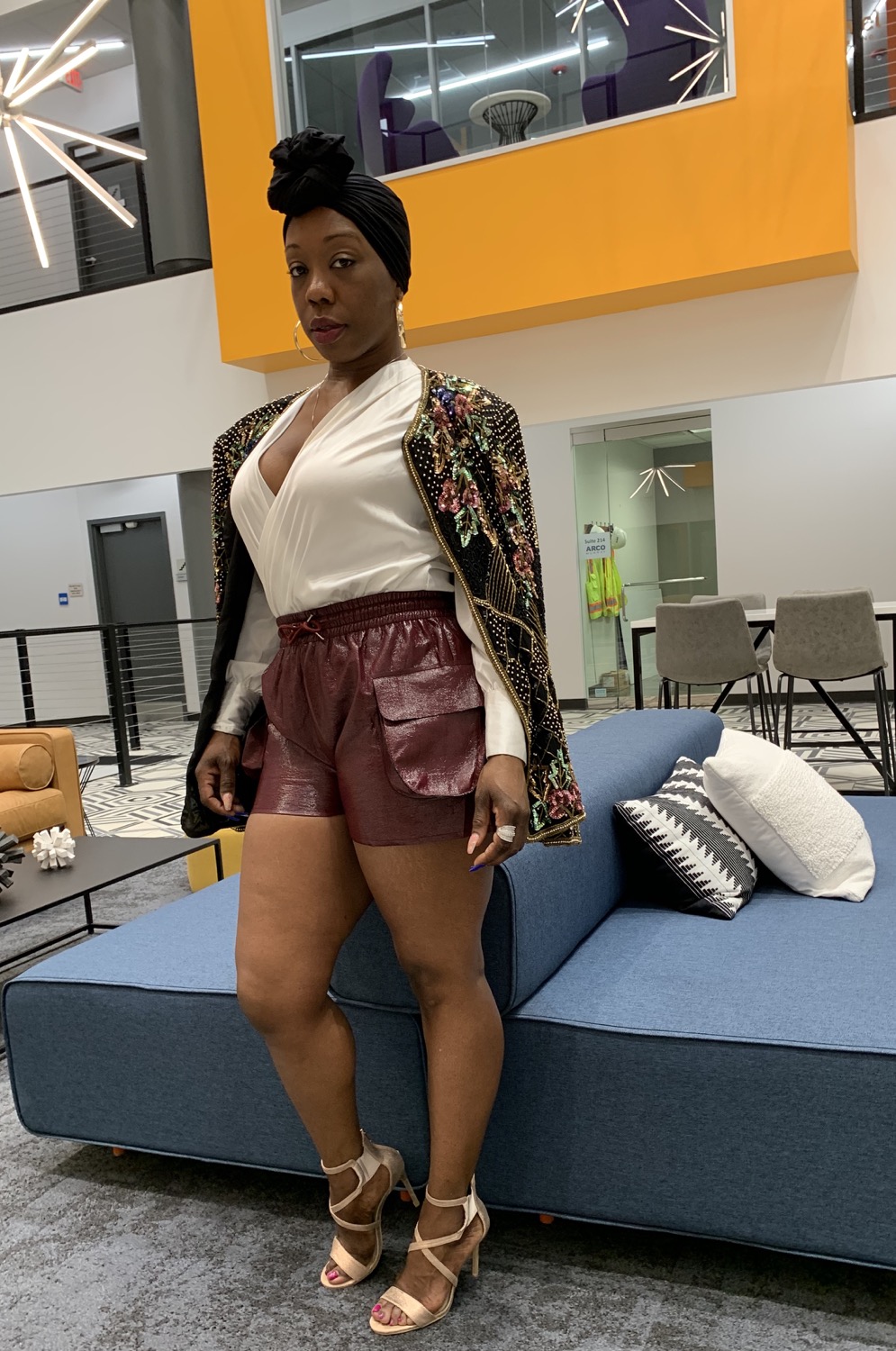
As a Black fashion stylist attending New York Fashion Week during Black History Month, I don’t walk into these rooms unaware.
I walk in knowing:
Someone fought to be seen.
Someone was underpaid.
Someone was erased.
Someone opened a door.
Black history in fashion is not a sidebar — it is the spine.
The silhouettes.The culture.The rhythm.The storytelling.
We have always been here.
And we are not just participating in fashion history.
We are continuing it.
Written By: Patricia Rountree - Alwayz A Lady
Remember wear what you want, when you want,
and let me know how that works out for you.

Comments